“Se me matarem, estenderei os braços para fora do túmulo e serei mais forte.”
Minerva Mirabal sabia exatamente qual poderia ser seu destino caso continuasse enfrentando a ditadura de Rafael Leónidas Trujillo. Ela e duas de suas irmãs, Patria e María Teresa, eram ativistas firmemente comprometidas com a luta contra o regime e enfrentaram a prisão e a repressão até que, em 25 de novembro de 1960, os corpos das três foram encontrados dentro de um carro, no fundo de um precipício.
No entanto, a morte não significou o fim de sua memória, mas sim sua afirmação definitiva. Em homenagem às três irmãs, o dia 25 de novembro tornou-se o Dia Internacional para a Eliminação da Violência contra as Mulheres.
Beth Moysés desenvolveu uma trajetória artística profundamente comprometida com os direitos das mulheres. Por meio da performance, criou ações que estabelecem conexões com a memória feminina e buscam curar a dor sofrida ao longo dos séculos.
Em 2016, no contexto das celebrações do Dia Internacional para a Eliminação da Violência contra as Mulheres, realizou a performance 180, em São Paulo. Fazendo referência ao número telefônico de atendimento às vítimas de violência de gênero, Moysés evocava a memória das irmãs Mirabal.
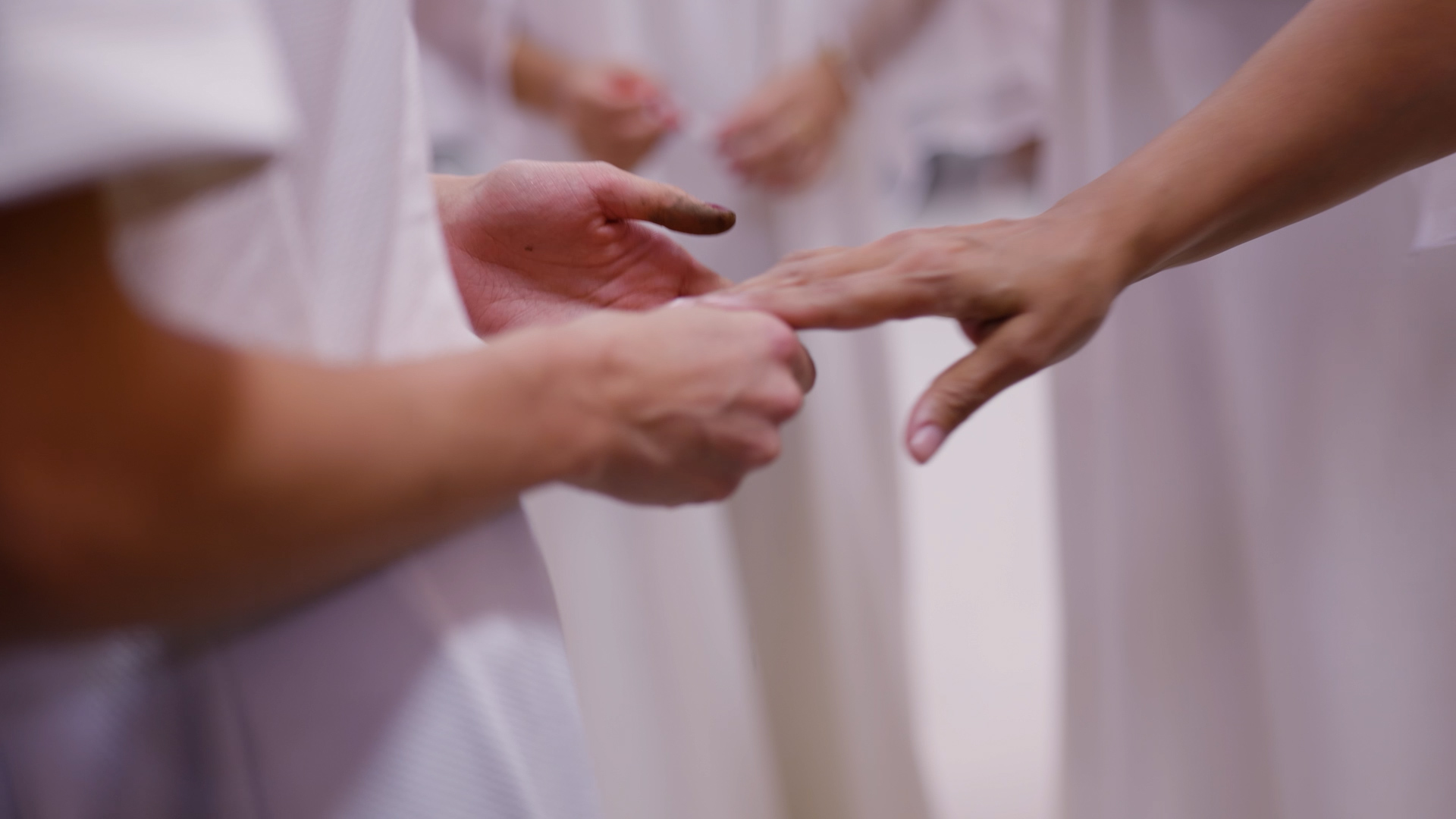
Em cada uma das ativações da performance, que apresenta pequenas variações de uma realização para outra, Moysés evoca a possibilidade de cura e de cicatrização da dor sofrida, como um fio contínuo que nos une e acaricia nosso coração.
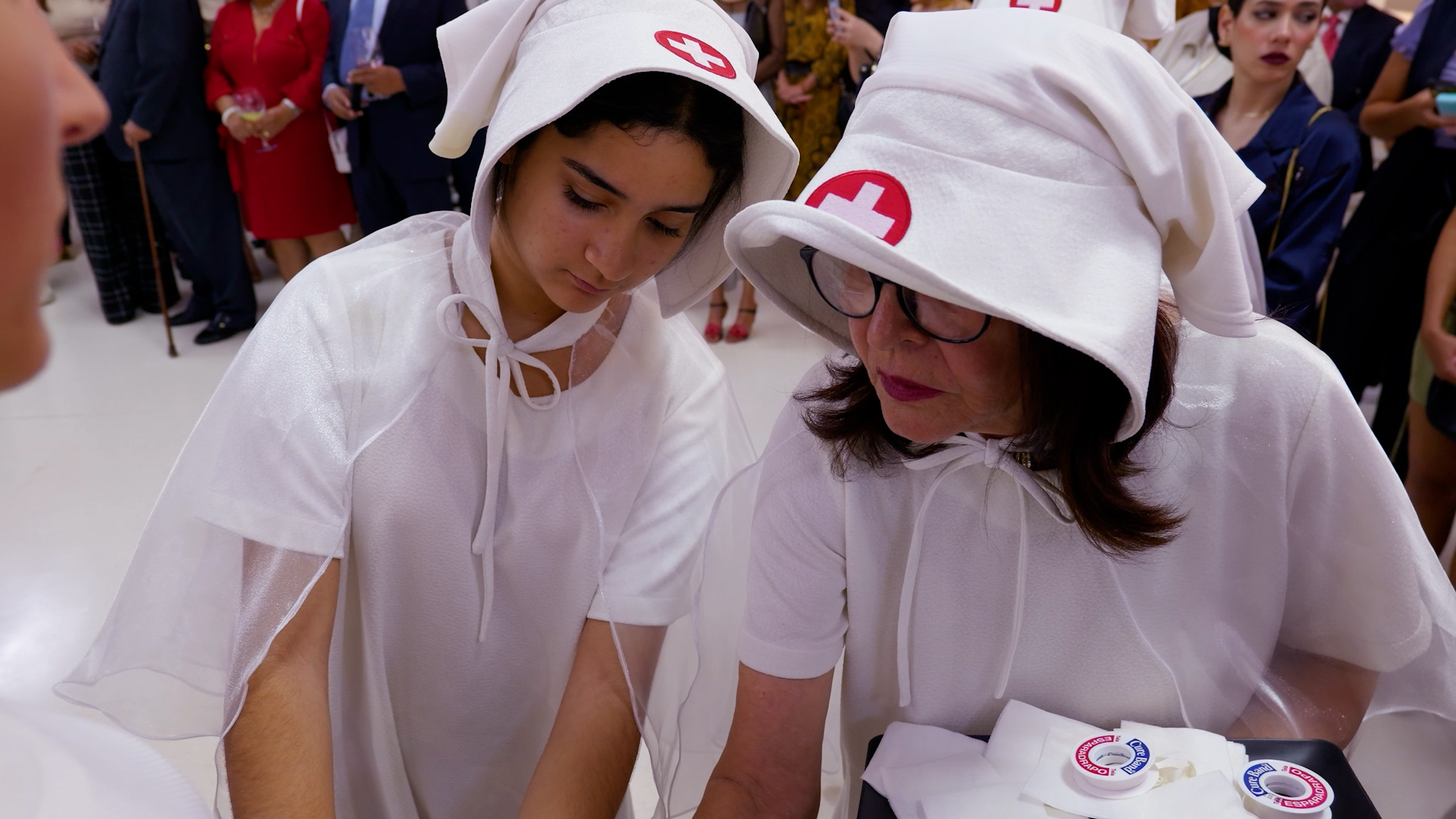
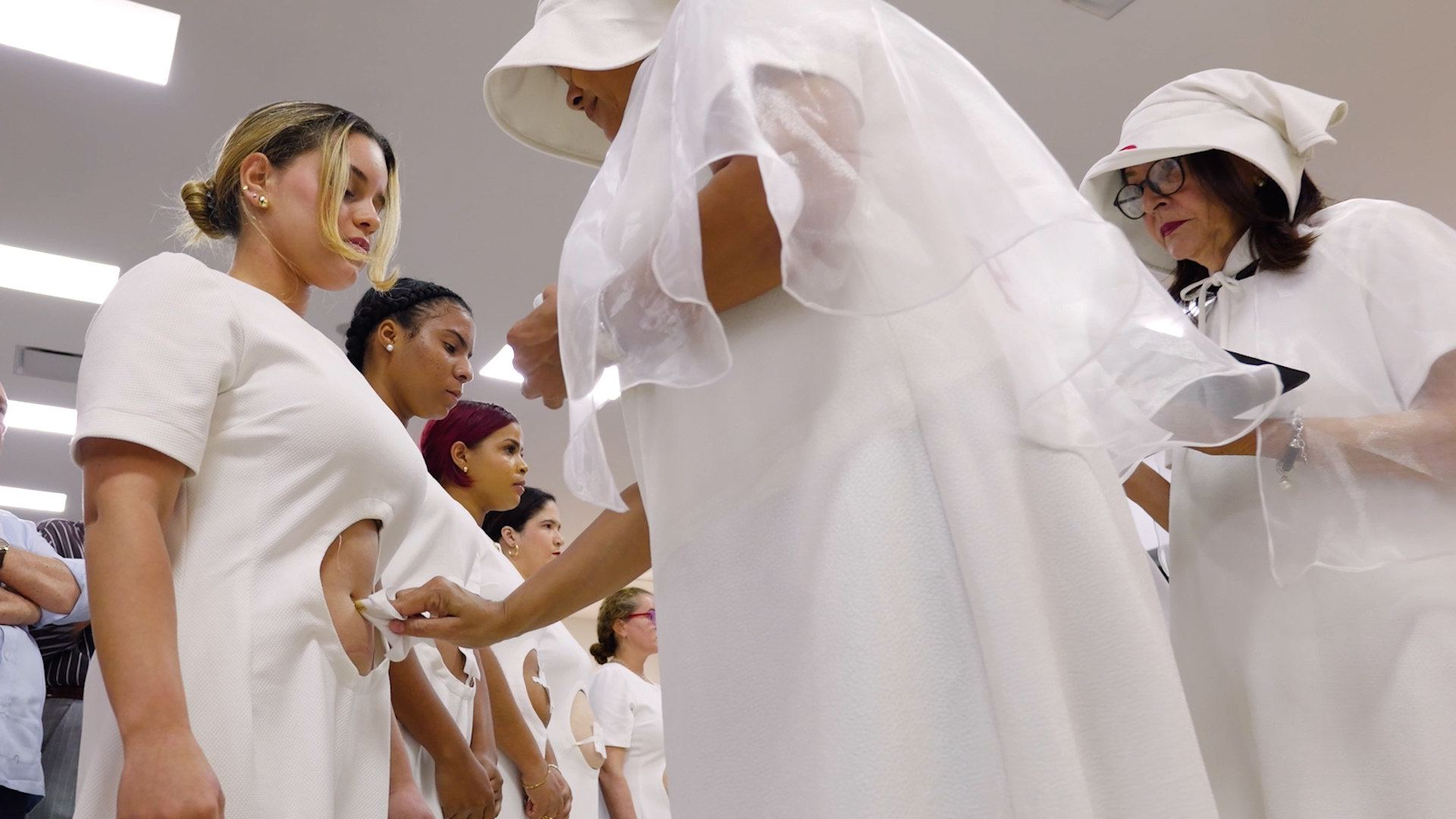
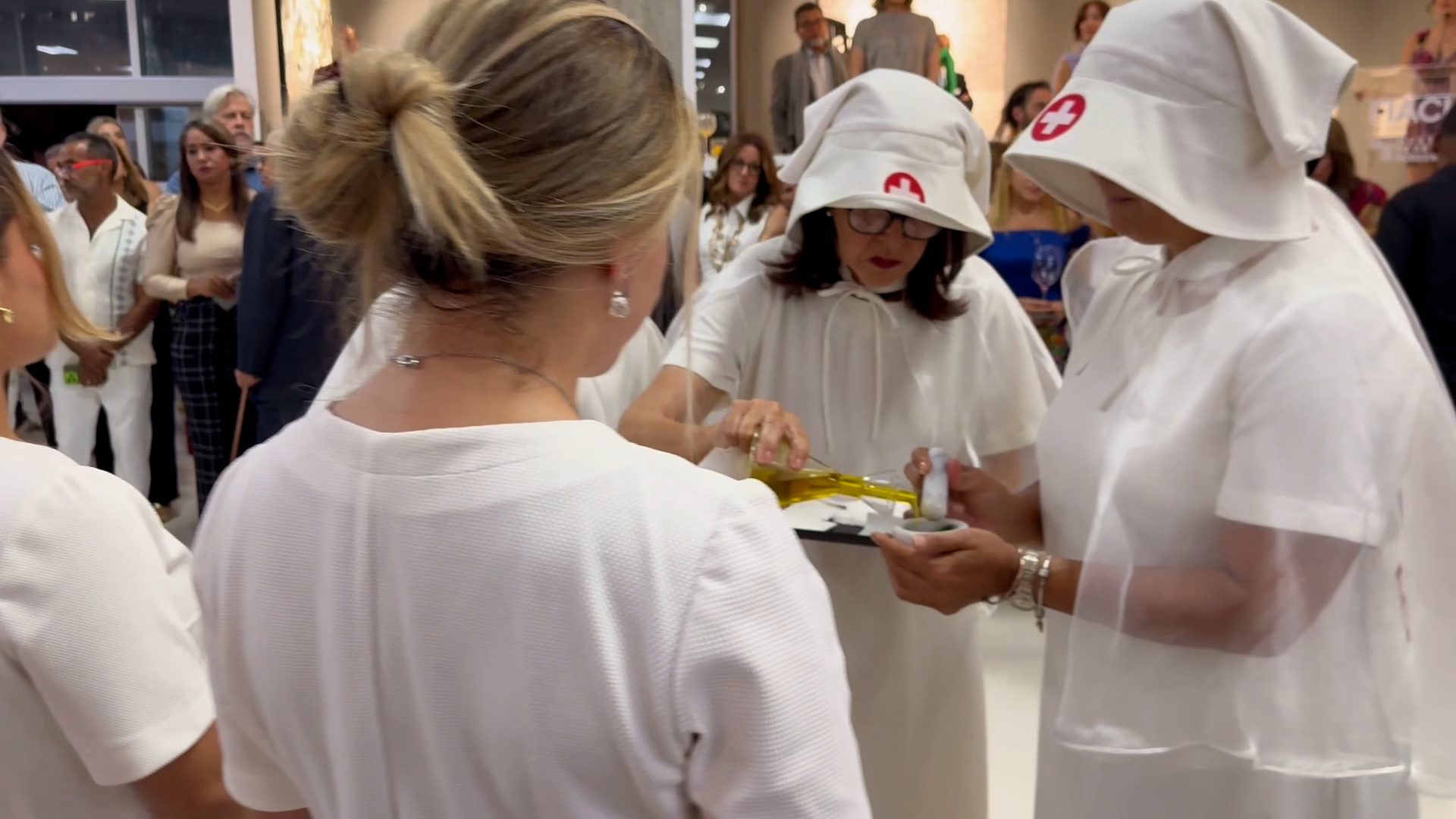
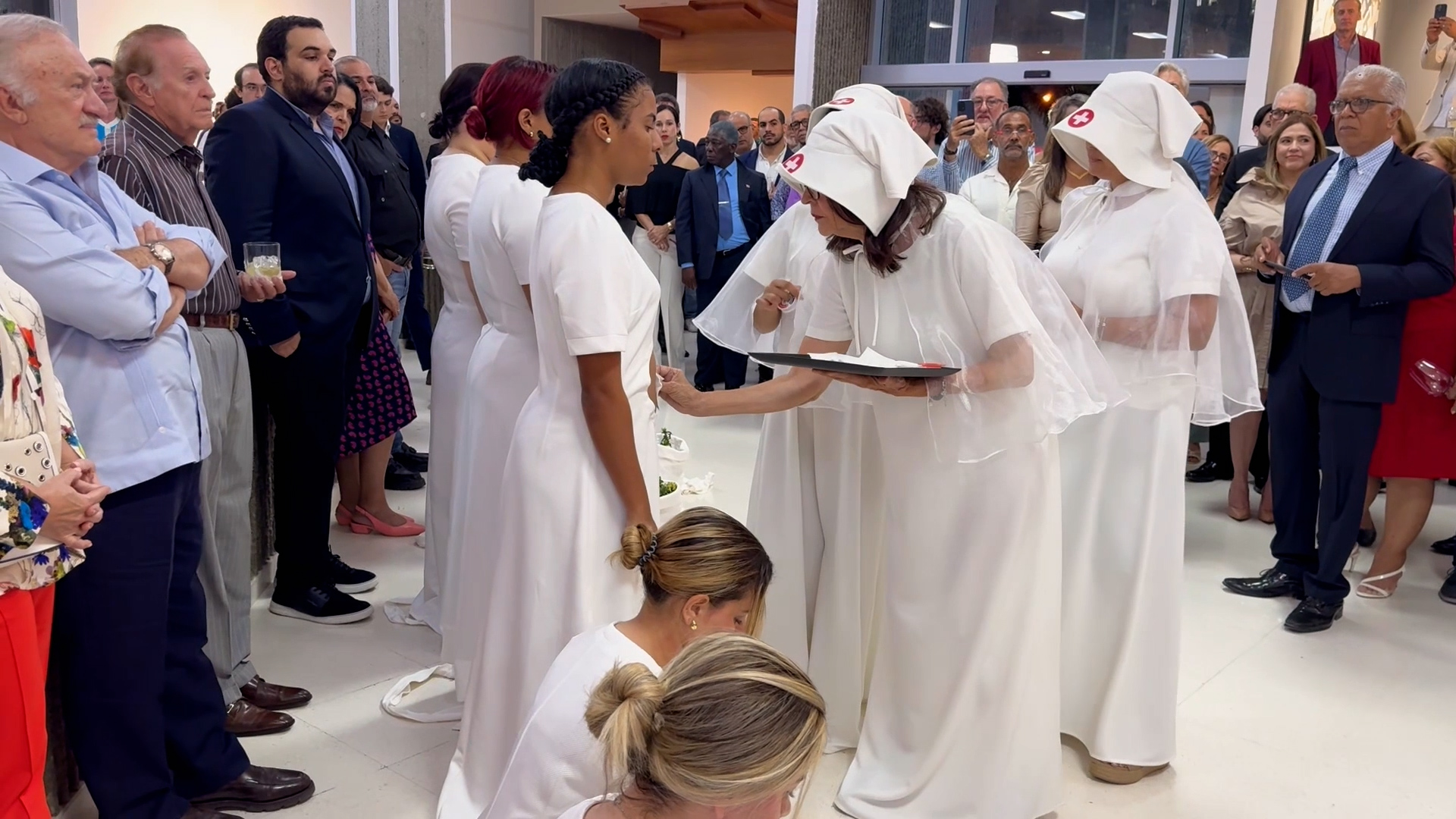
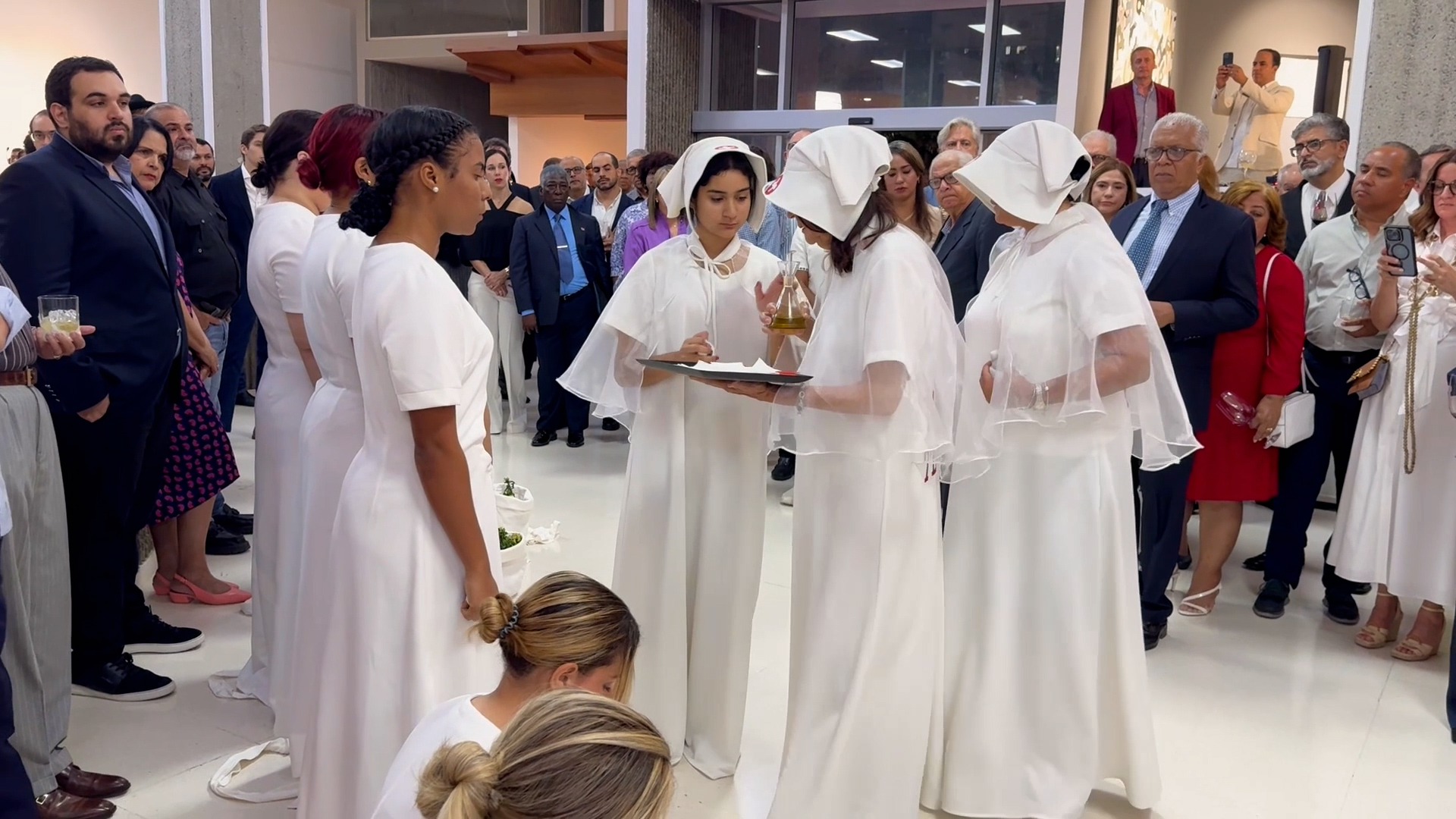
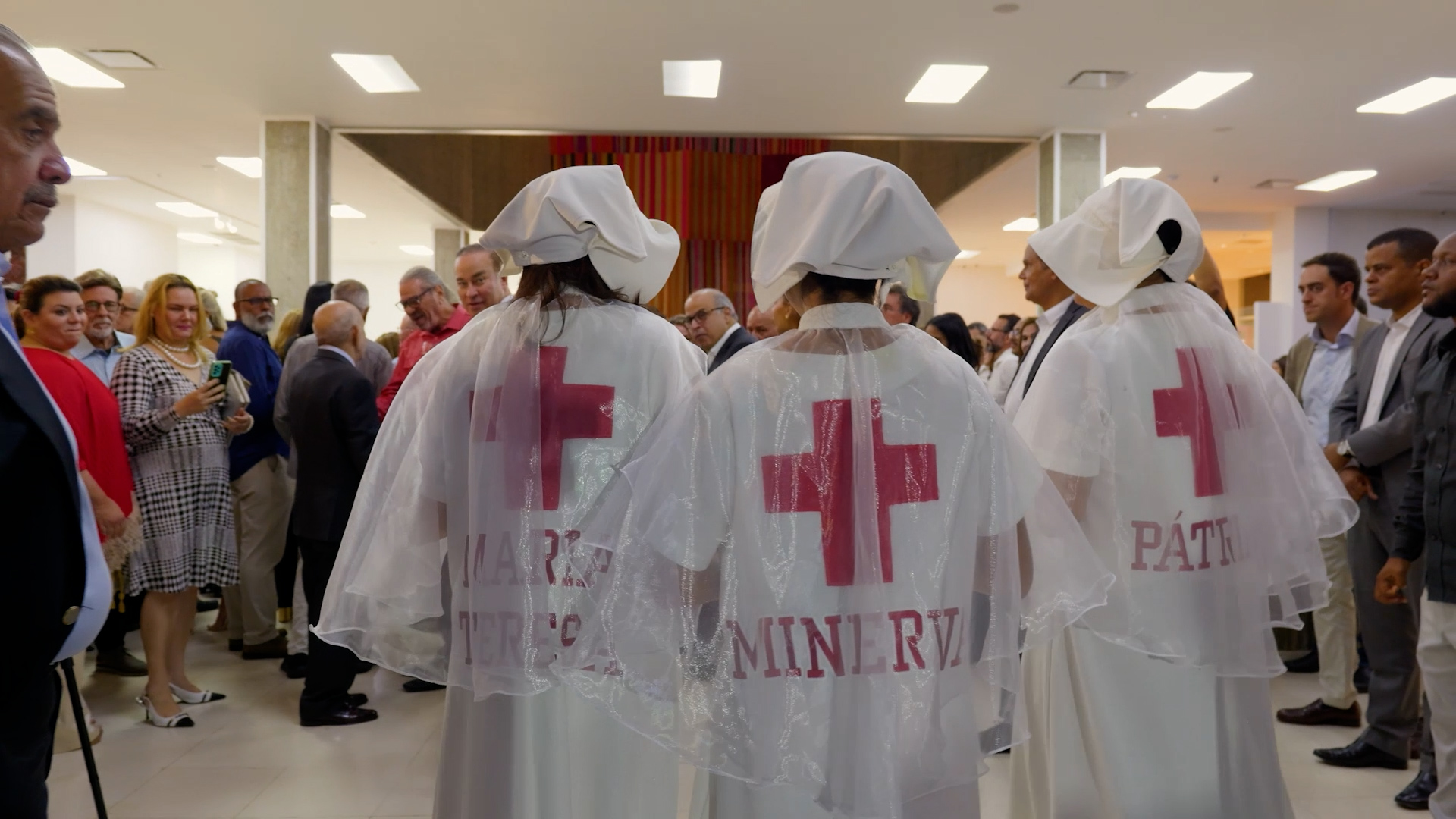
Com esse mesmo propósito, nesta nova ativação, a memória das três irmãs assume especial importância. Nesta performance, Beth Moysés utiliza o número *212 (telefone de atendimento a emergências relacionadas à violência de gênero), enquanto as enfermeiras são representadas pelas netas das irmãs Mirabal.
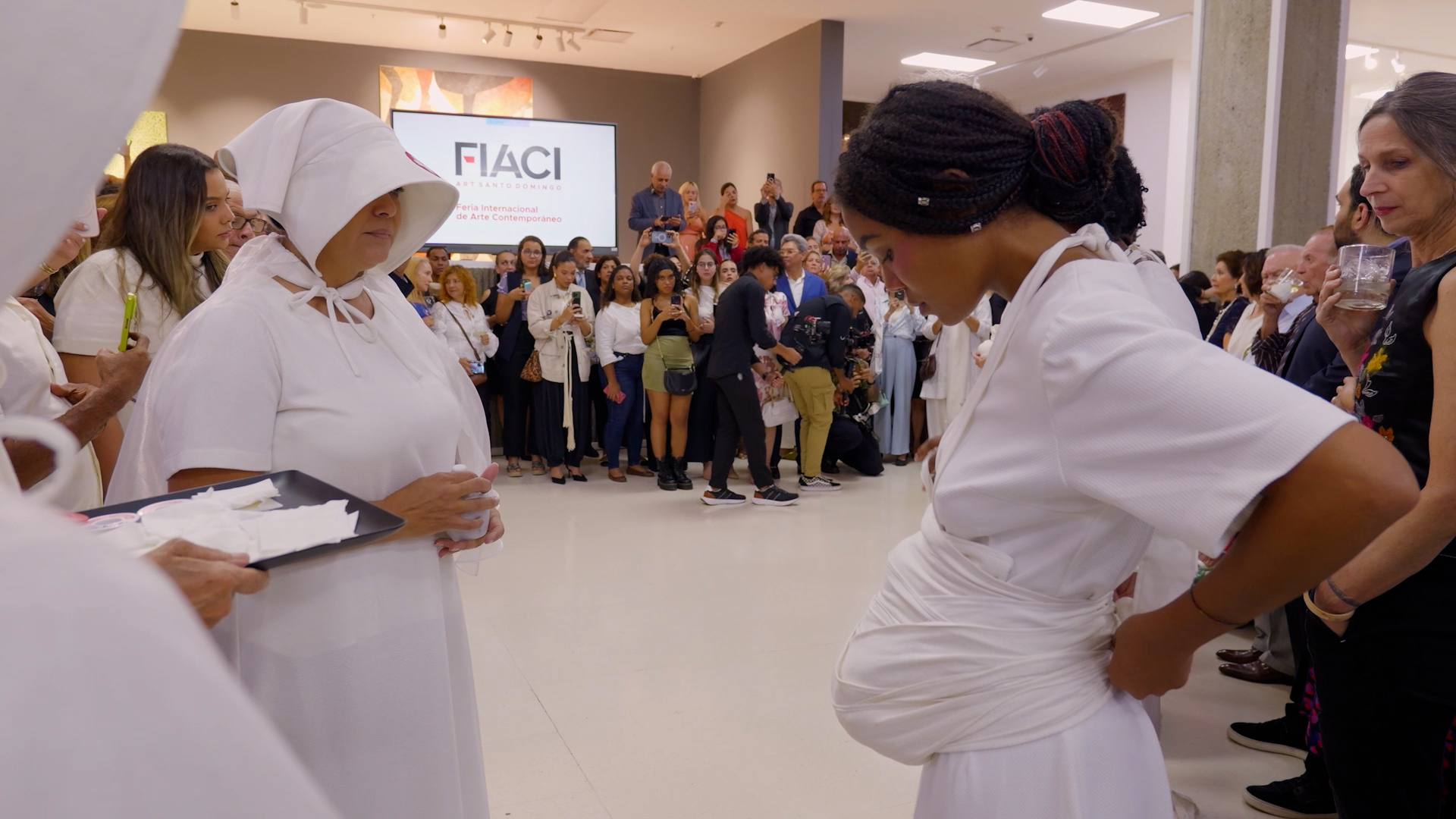
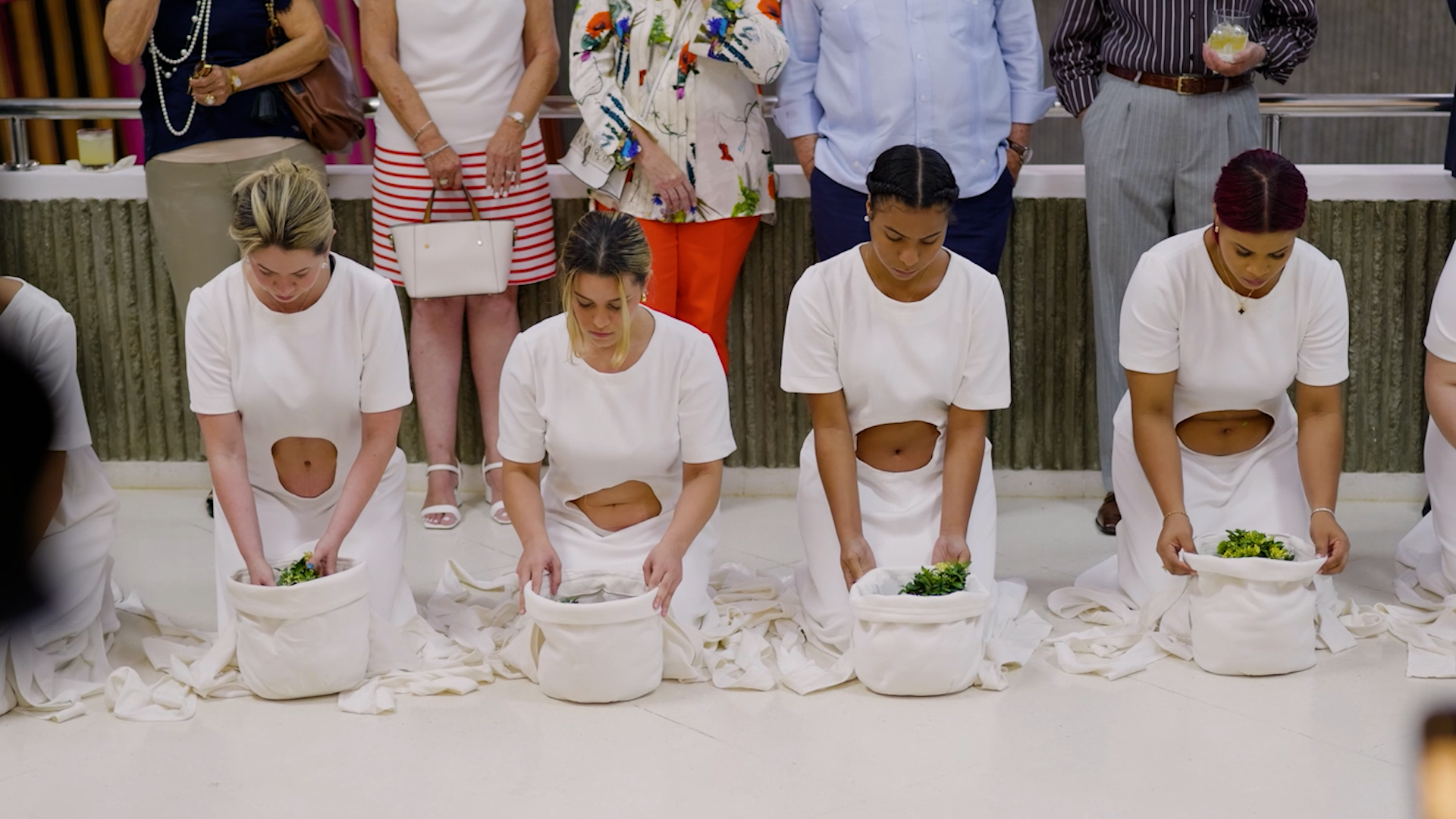
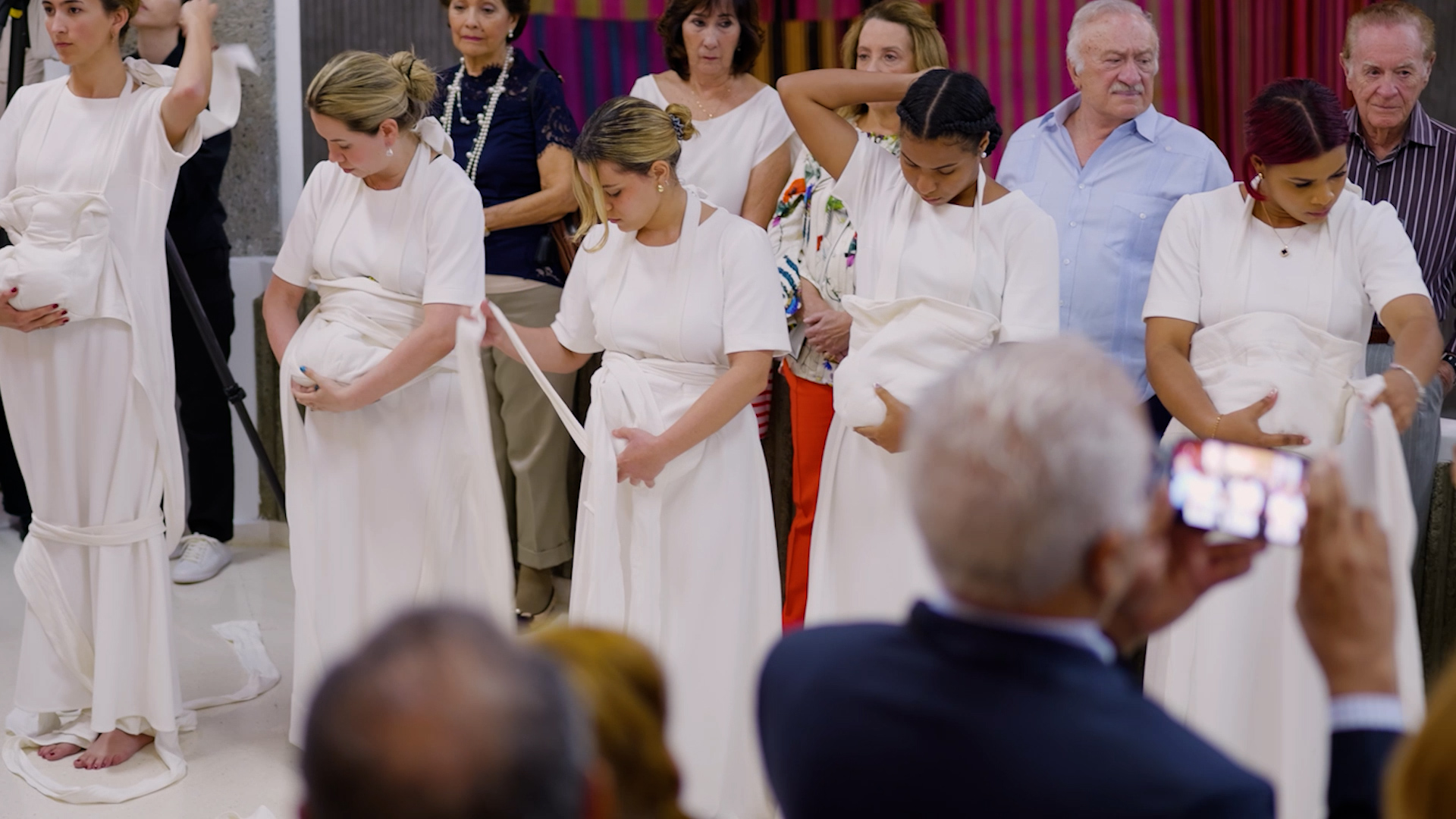
O percurso pelas ruas de Santo Domingo, dentro de cada ambulância, com cada uma delas levando o nome de uma das três irmãs e acompanhada por uma de suas netas, culmina na chegada ao Palácio de Belas Artes, onde dez mulheres grávidas as aguardam.
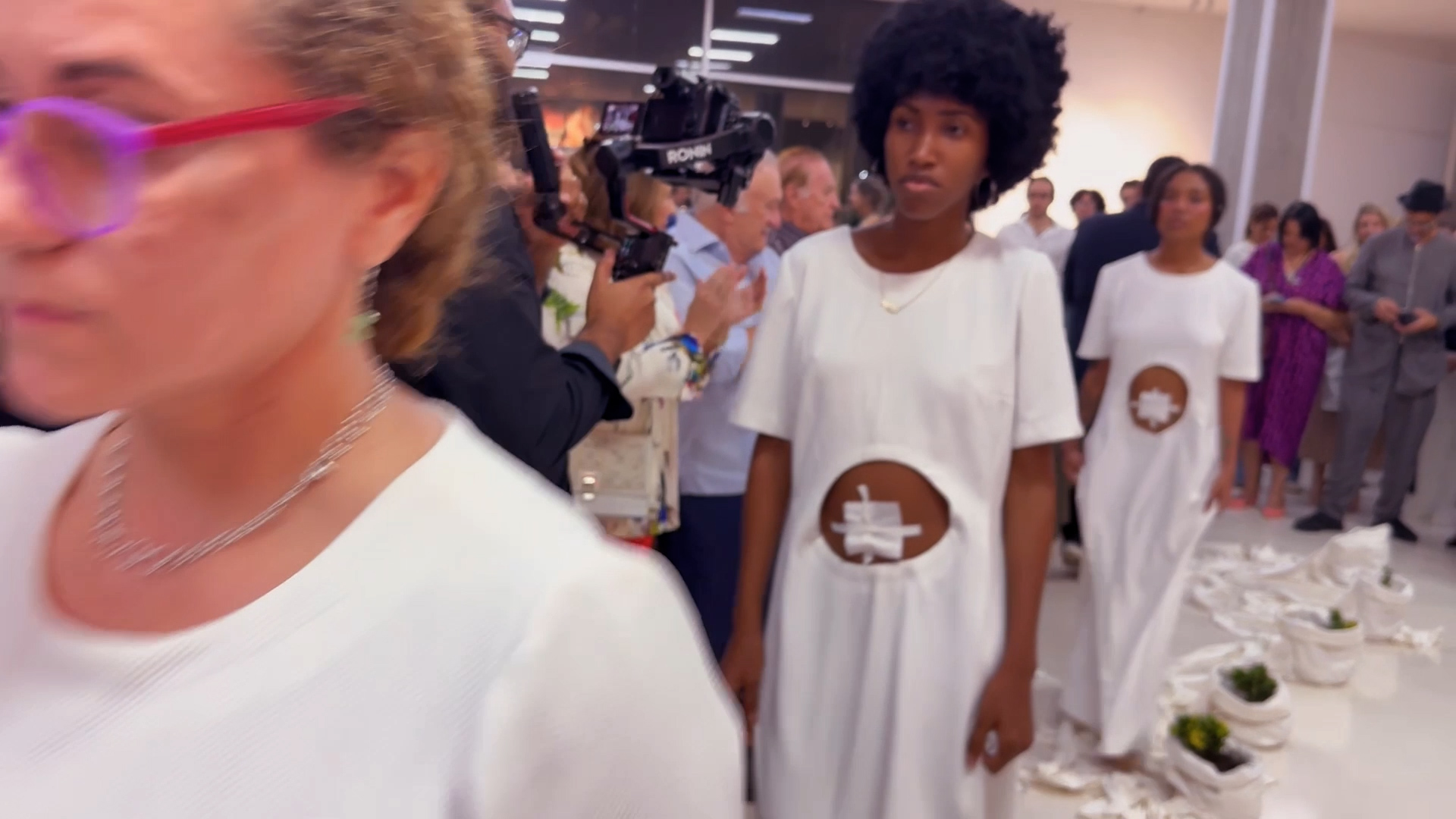
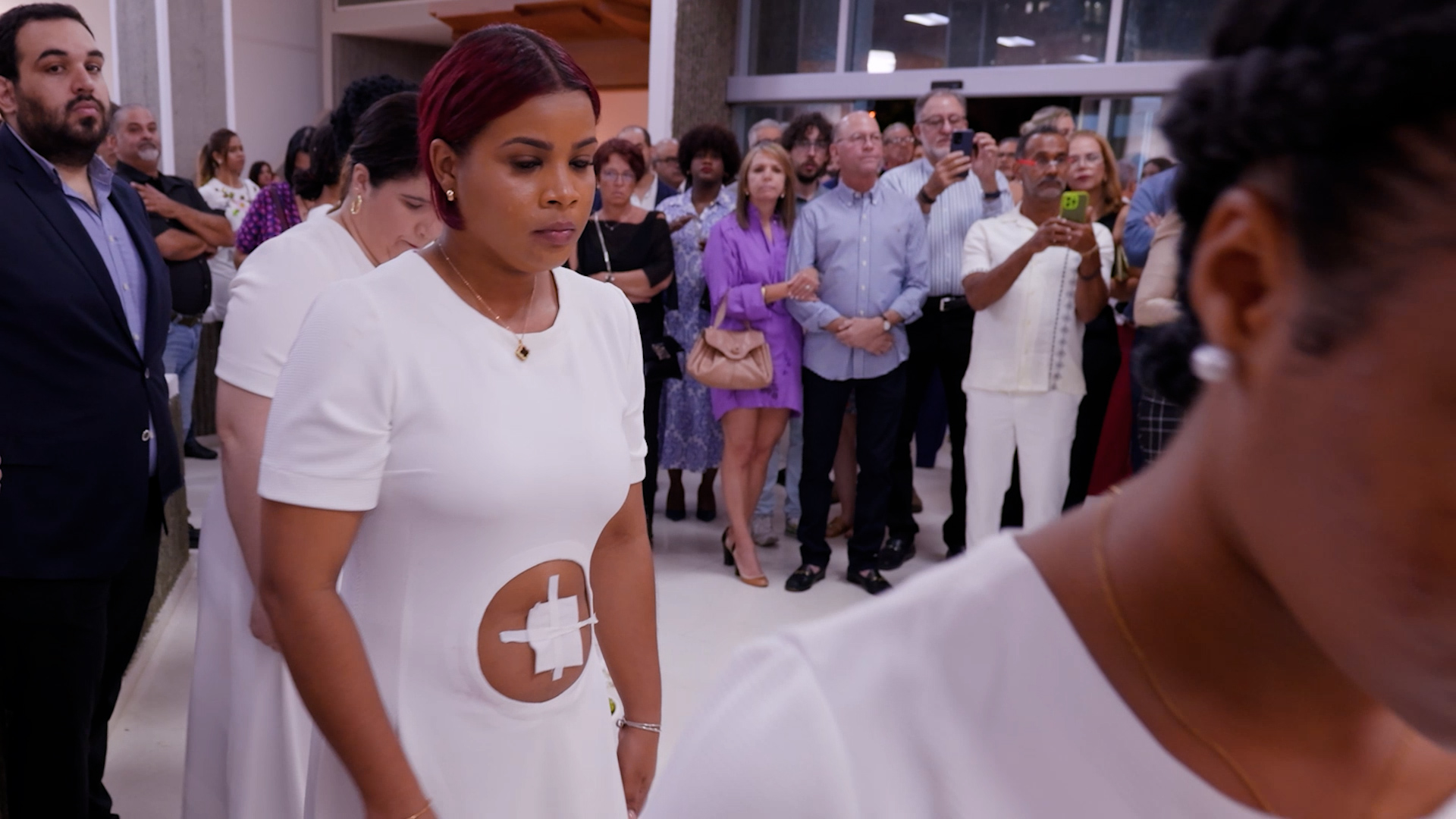
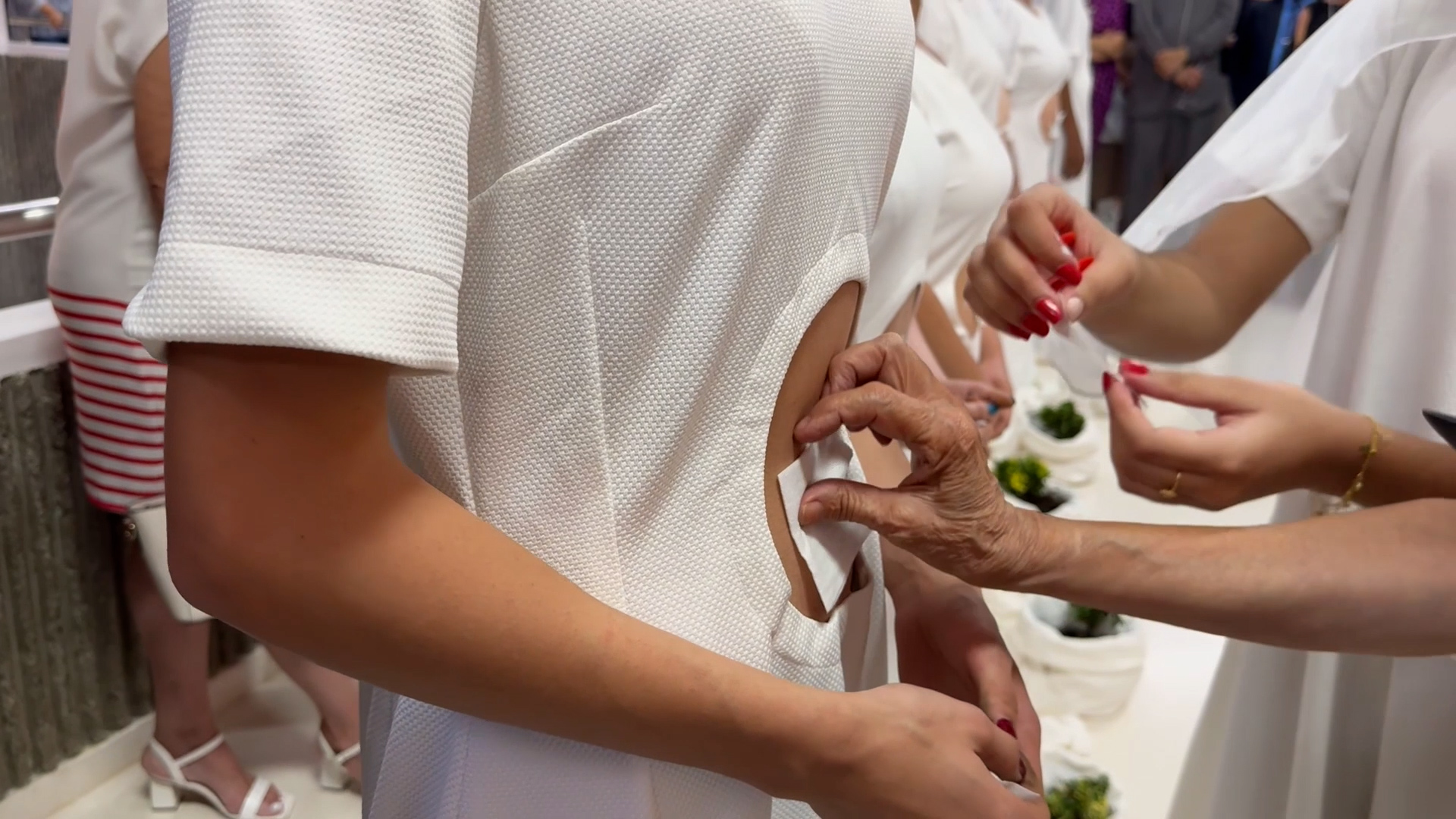
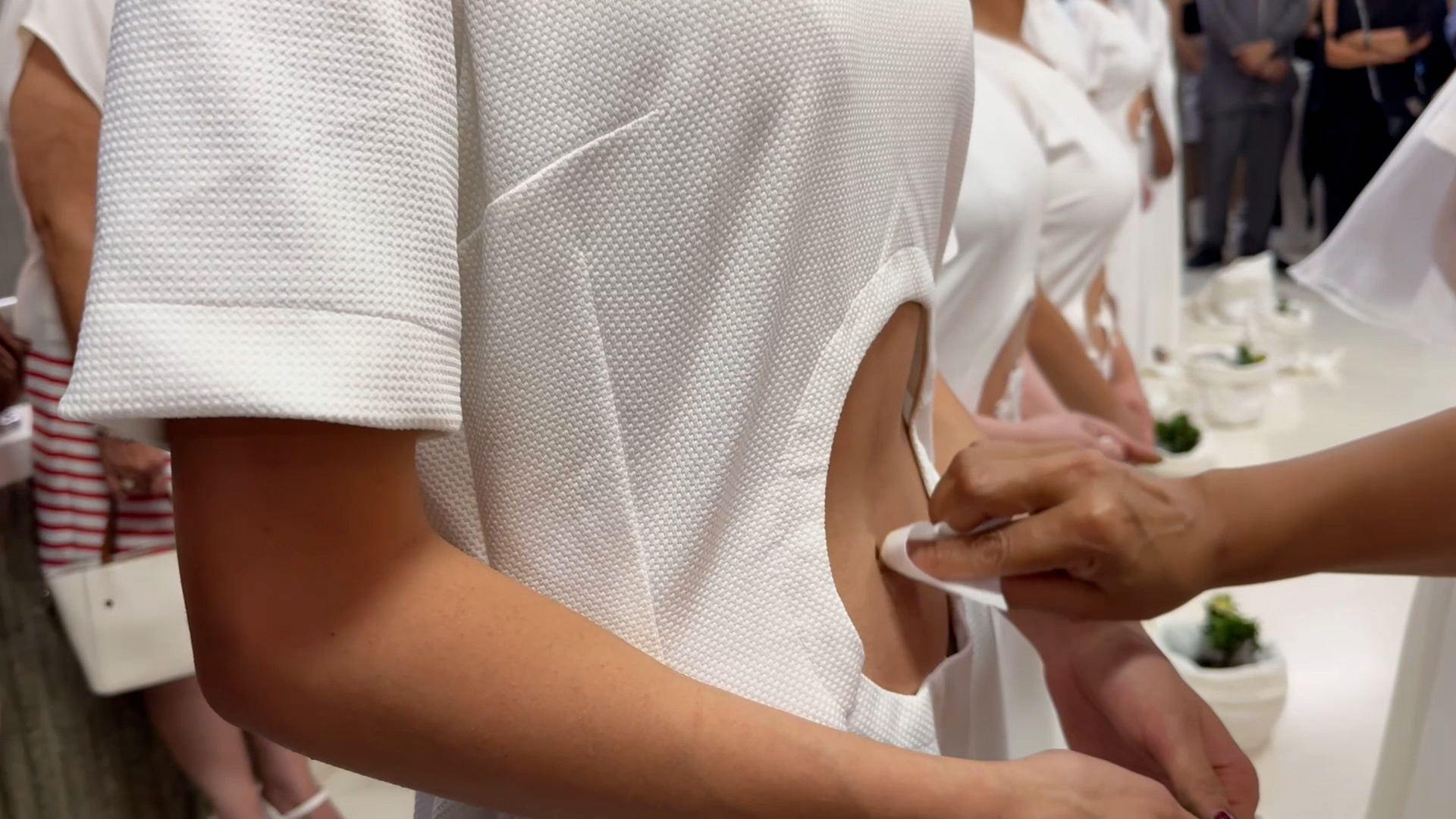
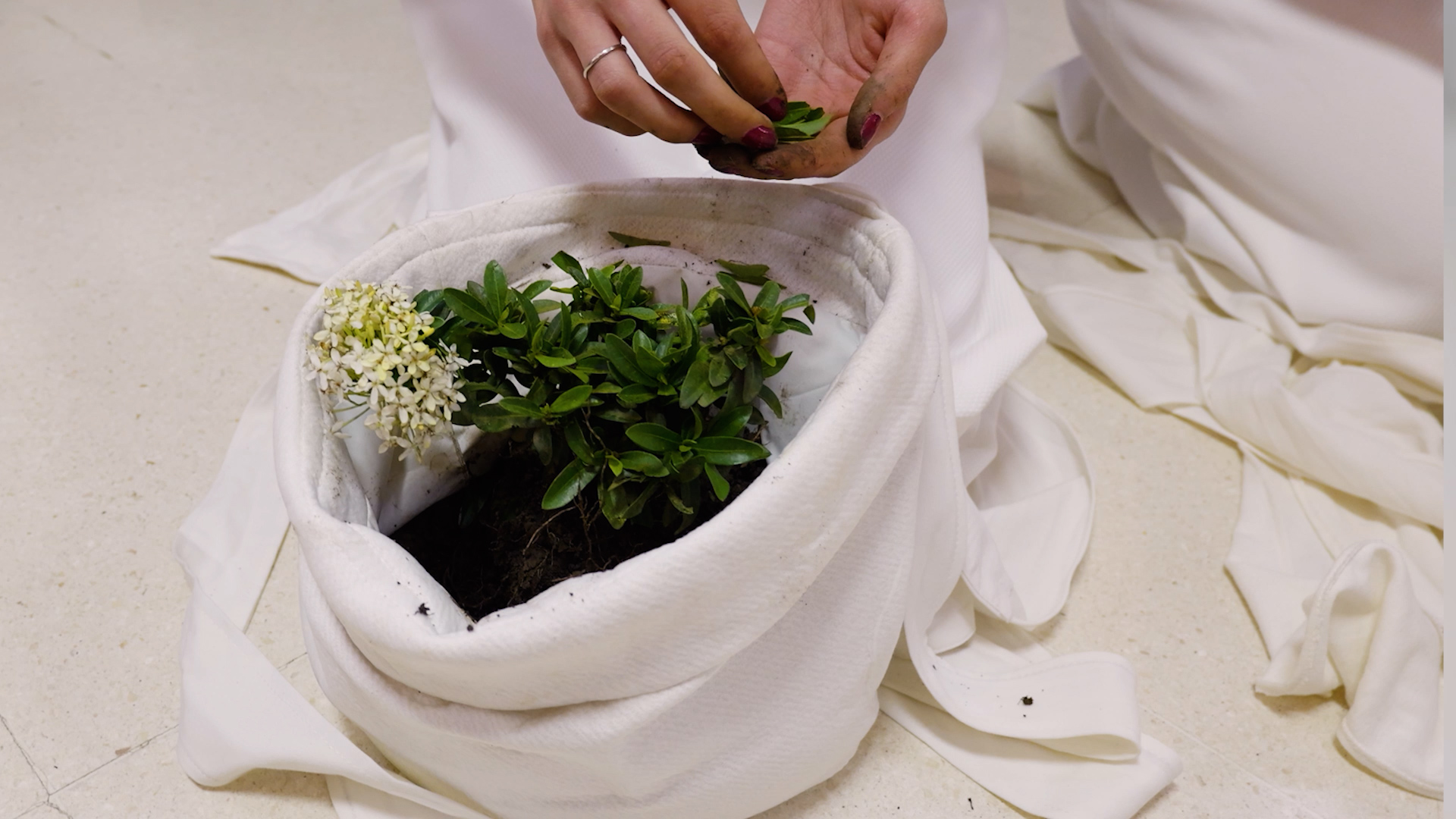
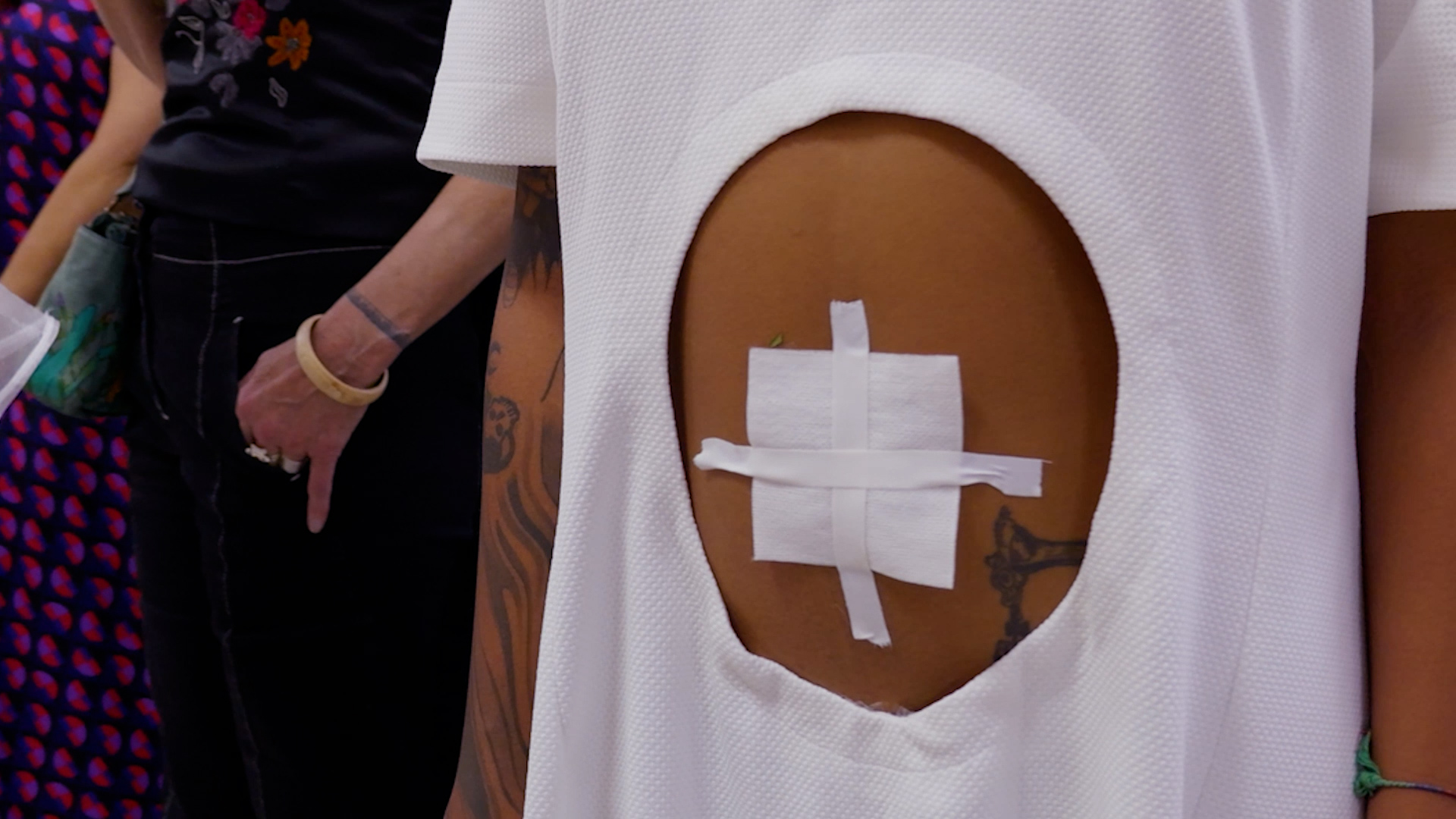
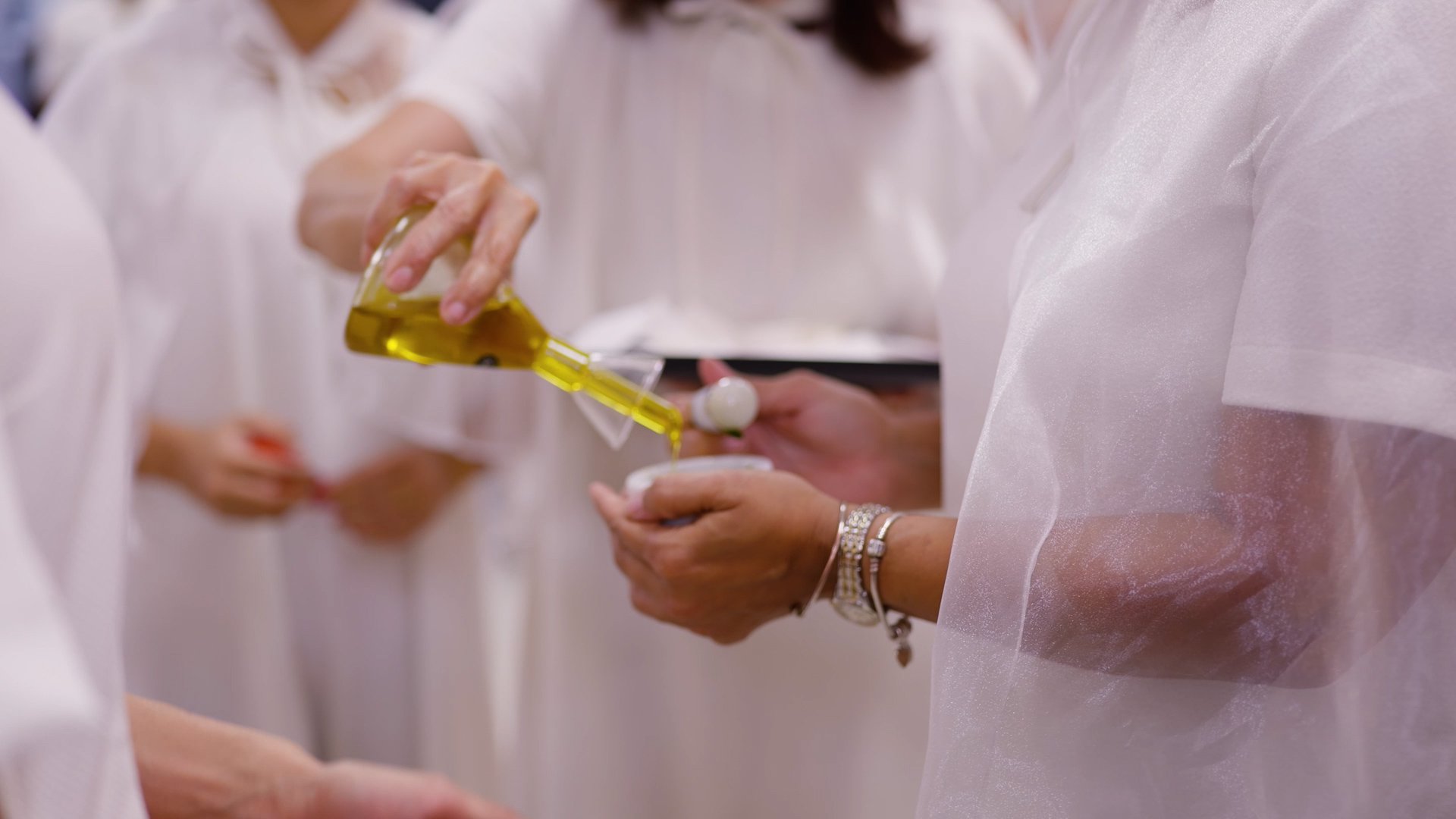
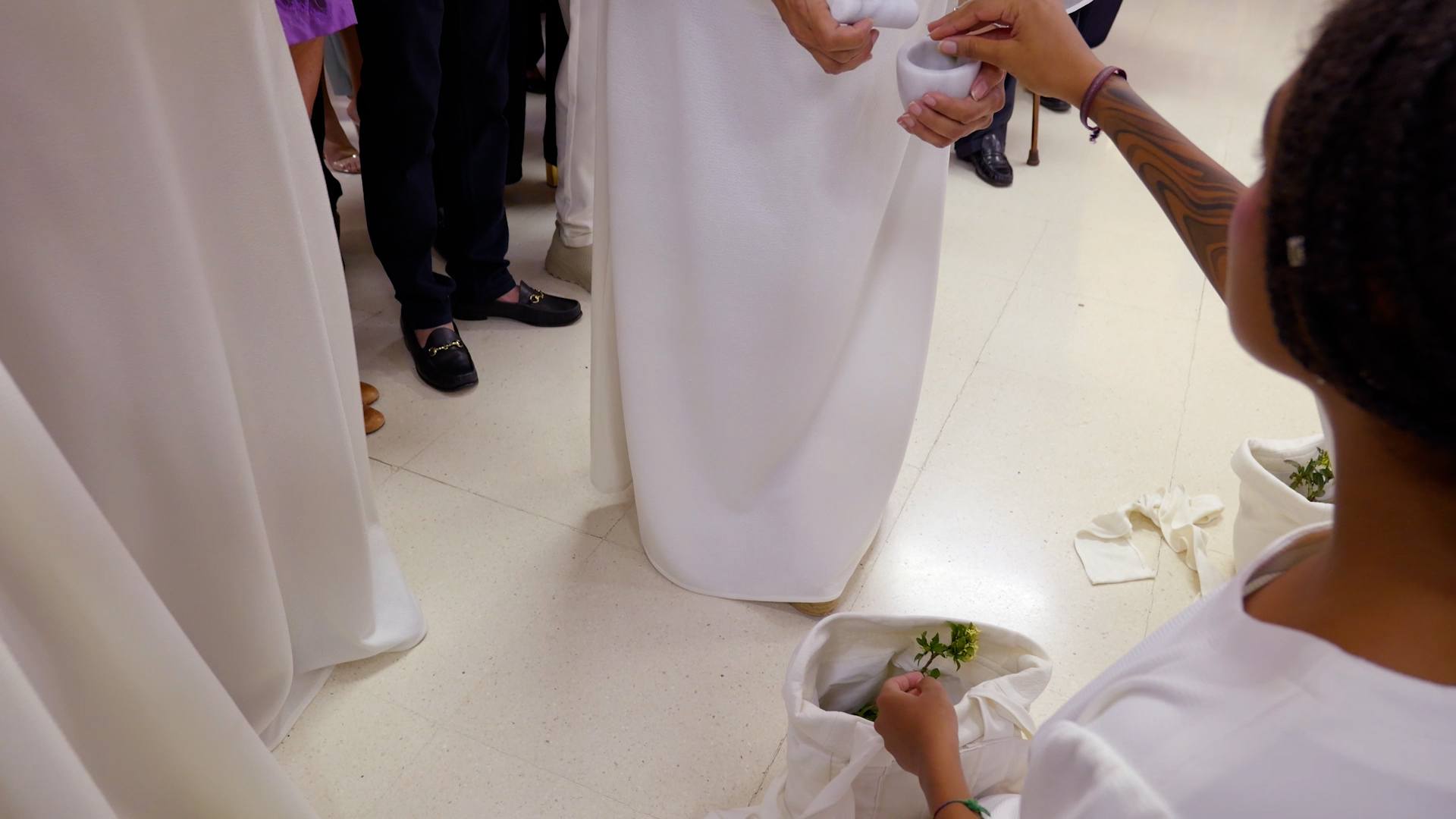
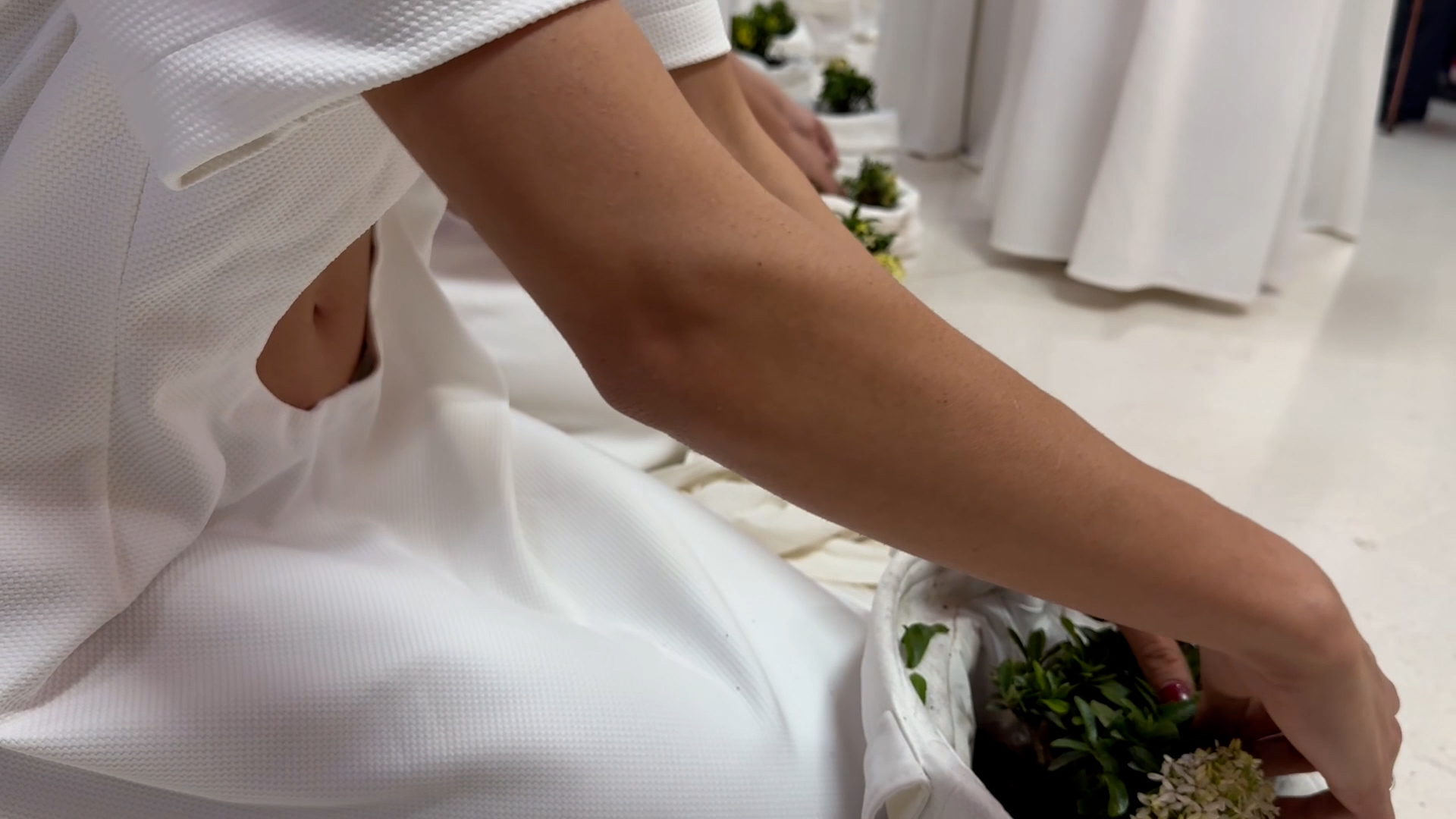
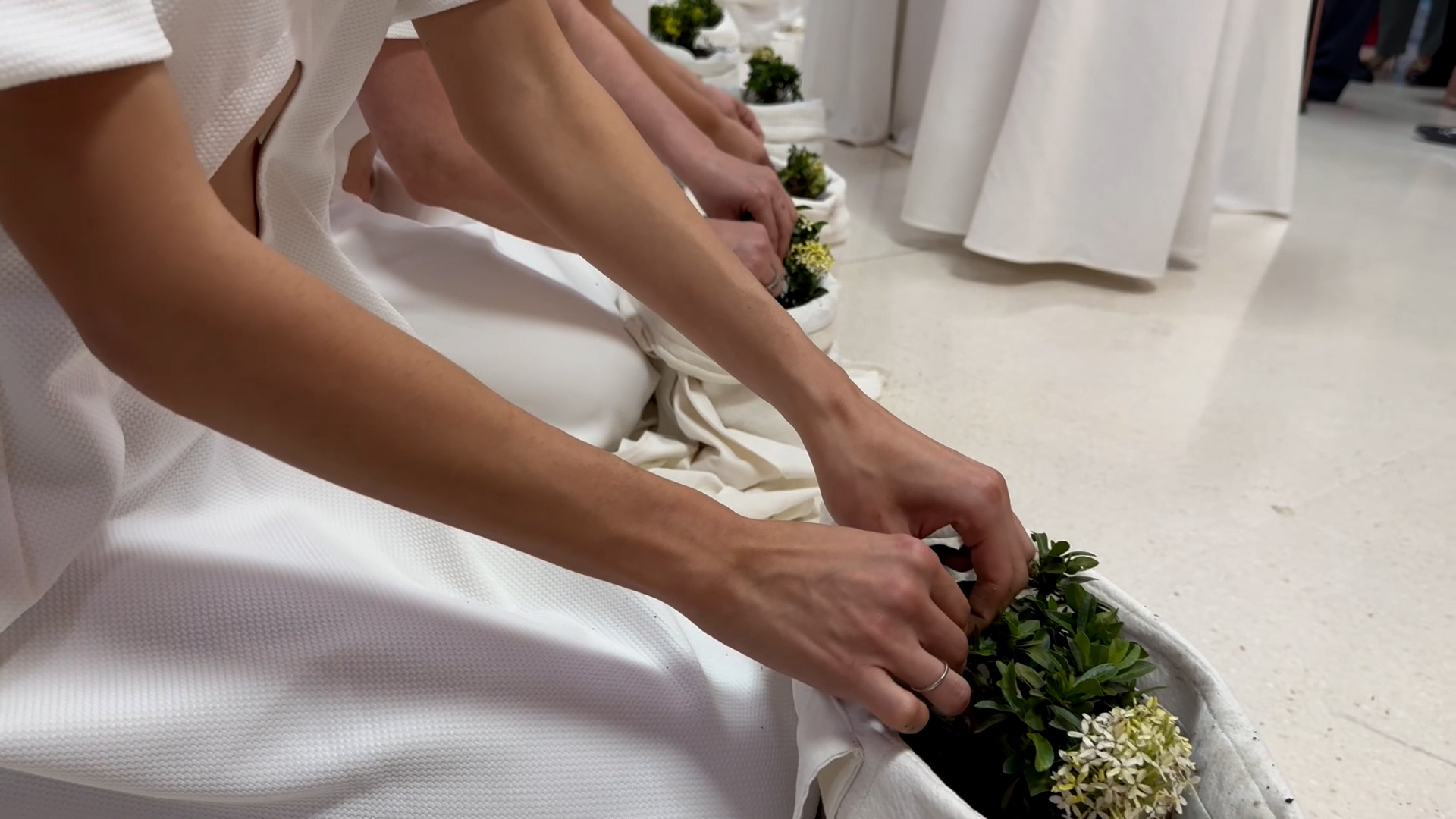
Em um ato de cura, elas plantam erva-de-são-joão no ventre dessas mulheres, uma planta conhecida por suas propriedades cicatrizantes. Por meio da simbologia do umbigo e do cordão umbilical, o gesto faz referência às gerações futuras, mas também a todas aquelas que nos precederam: mães, avós e todas as nossas antepassadas.
É uma genealogia feminista que se desdobra para além do tempo, de geração em geração, e que recorda todas as mulheres que sofreram violência.
Esta performance é um ato de comunhão e aliança coletiva, de cuidado e sororidade. Recorda aquelas que nos precederam e abre caminho para as que virão.
Nesta ativação, a presença simbólica das irmãs Mirabal torna-se ainda mais poderosa por meio de suas netas, cicatrizando não apenas sua memória, mas também a dor que elas sofreram e que contribuiu para dar visibilidade às demais formas de violência contra as mulheres.
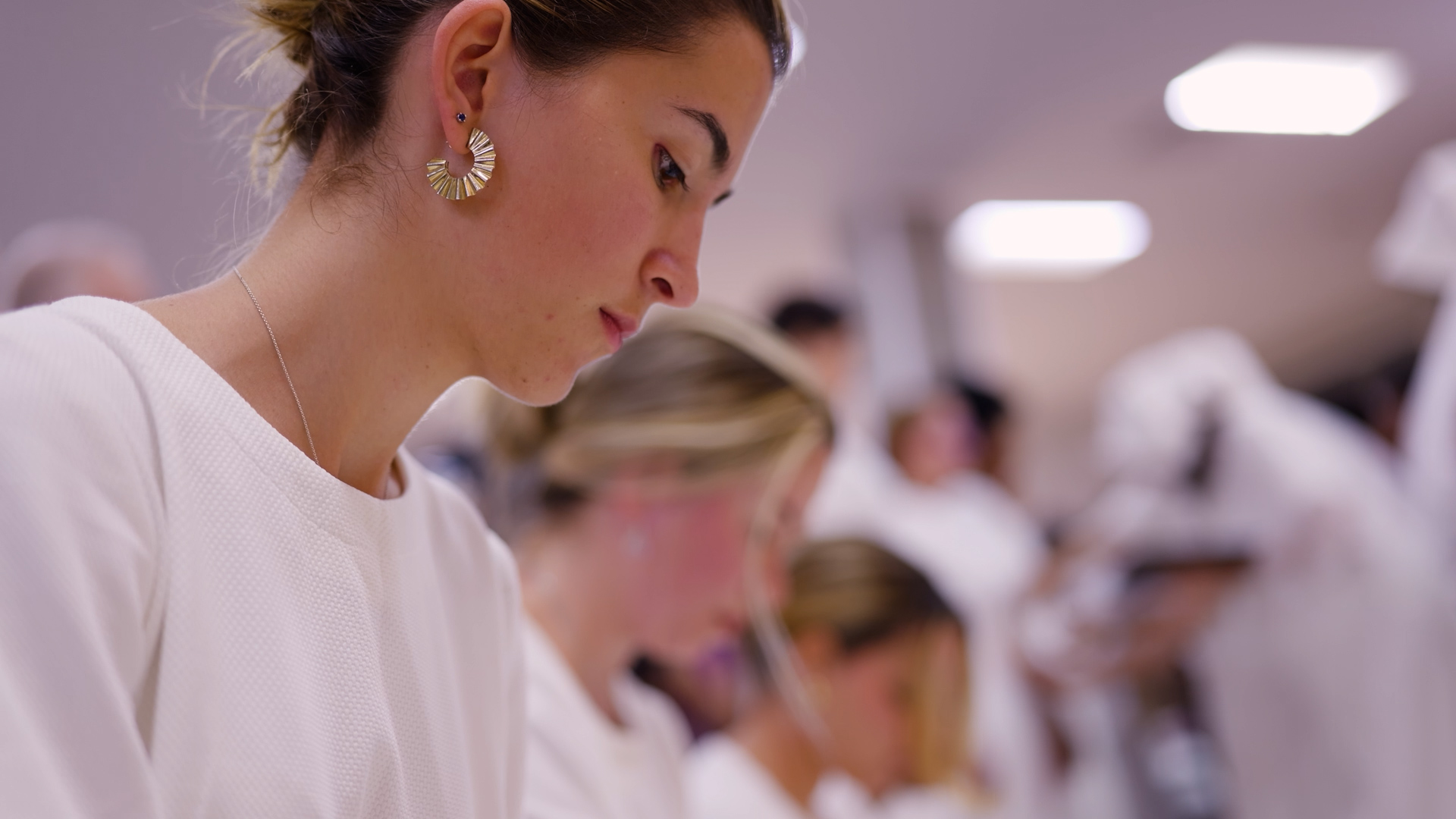
Cada uma das mulheres que participam desta performance contribui para cicatrizar as marcas da dor feminina. Aqui, a performance é alívio, regeneração e resistência: uma força que denuncia o machismo e promove a cura de todas as mulheres.
Semíramis González, curadora feminista.
“If they kill me, I will reach my arms out from the grave and be stronger.”
Minerva Mirabal knew exactly what her fate might be if she continued to stand up to the dictatorship of Rafael Leónidas Trujillo. She and two of her sisters, Patria and María Teresa, were committed activists opposing the regime and endured imprisonment and repression until 25 November 1960, when the bodies of all three were found inside a car at the bottom of a ravine.
Their deaths, however, did not mark the end of their memory, but rather its definitive affirmation. In their honour, 25 November became the International Day for the Elimination of Violence against Women.
Beth Moysés has developed an artistic career deeply committed to women’s rights. Through performance, she has created actions that connect with women’s collective memory and seek to heal the pain inflicted upon them throughout the centuries.
In 2016, as part of the International Day for the Elimination of Violence against Women commemorations, she staged the performance 180 in São Paulo. Referring to the helpline for victims of gender-based violence, Moysés invoked the memory of the Mirabal sisters.
In each iteration of the performance, which varies slightly from one presentation to another, Moysés evokes the possibility of healing and recovery from the pain endured, like an unbroken thread that connects us and gently touches our hearts.
In keeping with this same intention, the memory of the three sisters takes on particular significance in this new iteration. In this performance, Beth Moysés uses the number *212 (the emergency helpline for gender-based violence), while the nurses are embodied by the granddaughters of the Mirabal sisters.
The journey through the streets of Santo Domingo, with each ambulance bearing one of the three sisters’ names and accompanied by one of their granddaughters, culminates in their arrival at the Palacio de Bellas Artes, where ten pregnant women await them.
In an act of healing, they plant St John’s wort in the women’s wombs, a plant known for its healing properties. Through the symbolism of the navel and the umbilical cord, the gesture evokes future generations, but also all those who came before us: mothers, grandmothers and all our female ancestors.
It is a feminist genealogy that unfolds beyond time, from generation to generation, remembering all those who have suffered violence.
This performance is an act of communion and collective alliance, of care and sisterhood. It remembers those who came before us and paves the way for those yet to come.
In this iteration, the symbolic presence of the Mirabal sisters becomes even more powerful through their granddaughters, healing not only their memory but also the pain they endured, a pain that helped bring other forms of violence against women into public view.
Each woman taking part in this performance helps heal the marks left by women’s suffering. Here, performance becomes relief, regeneration and resistance: a force that denounces machismo and brings healing to all women.
Semíramis González, feminist curator.